HongKong
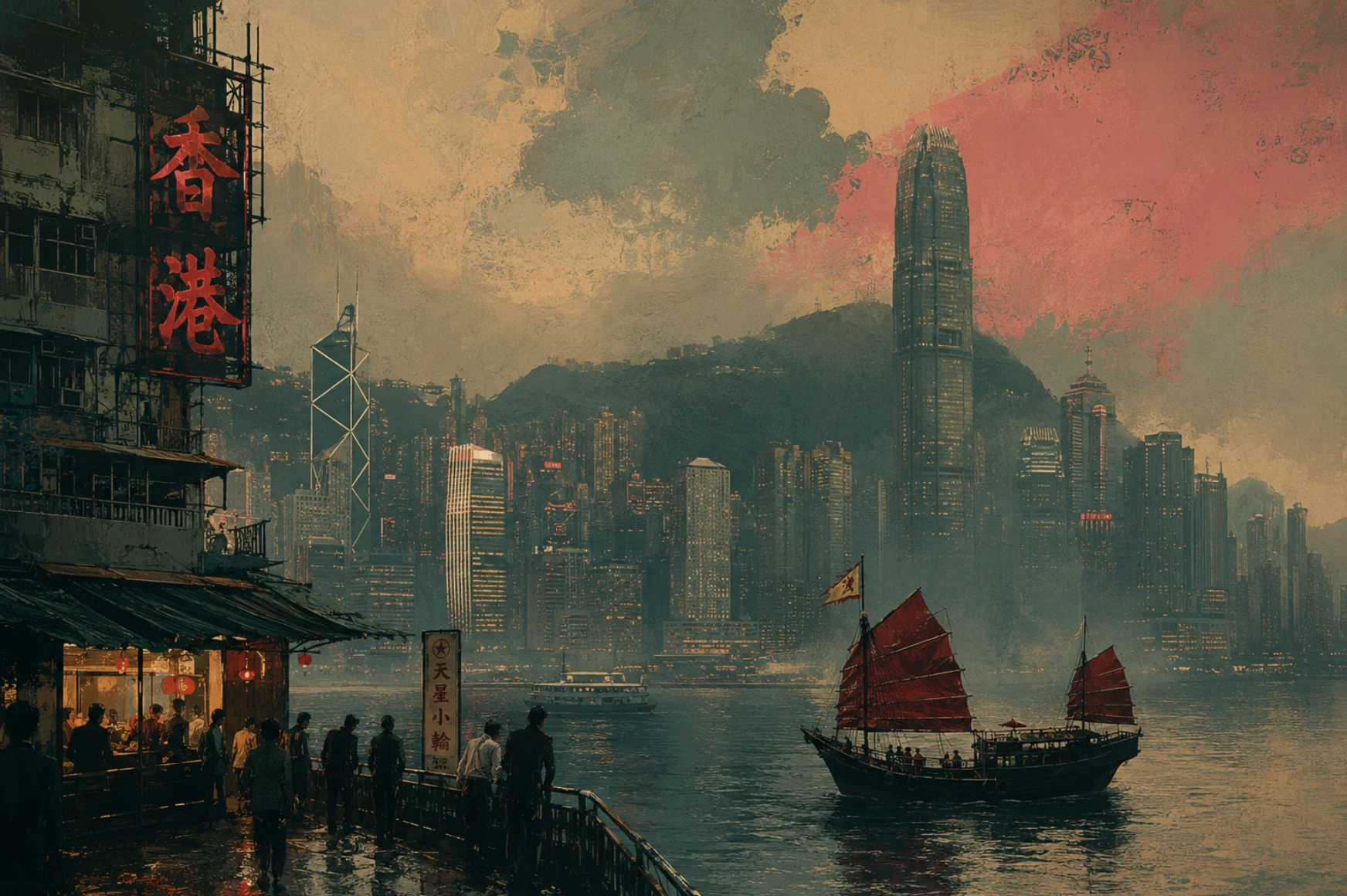
Hong Kong is best when one thing bleeds into another, lunch becomes a walk, the walk becomes the tram, the tram becomes shopping, shopping becomes dinner, and the next morning begins somewhere that barely resembles the city left behind.
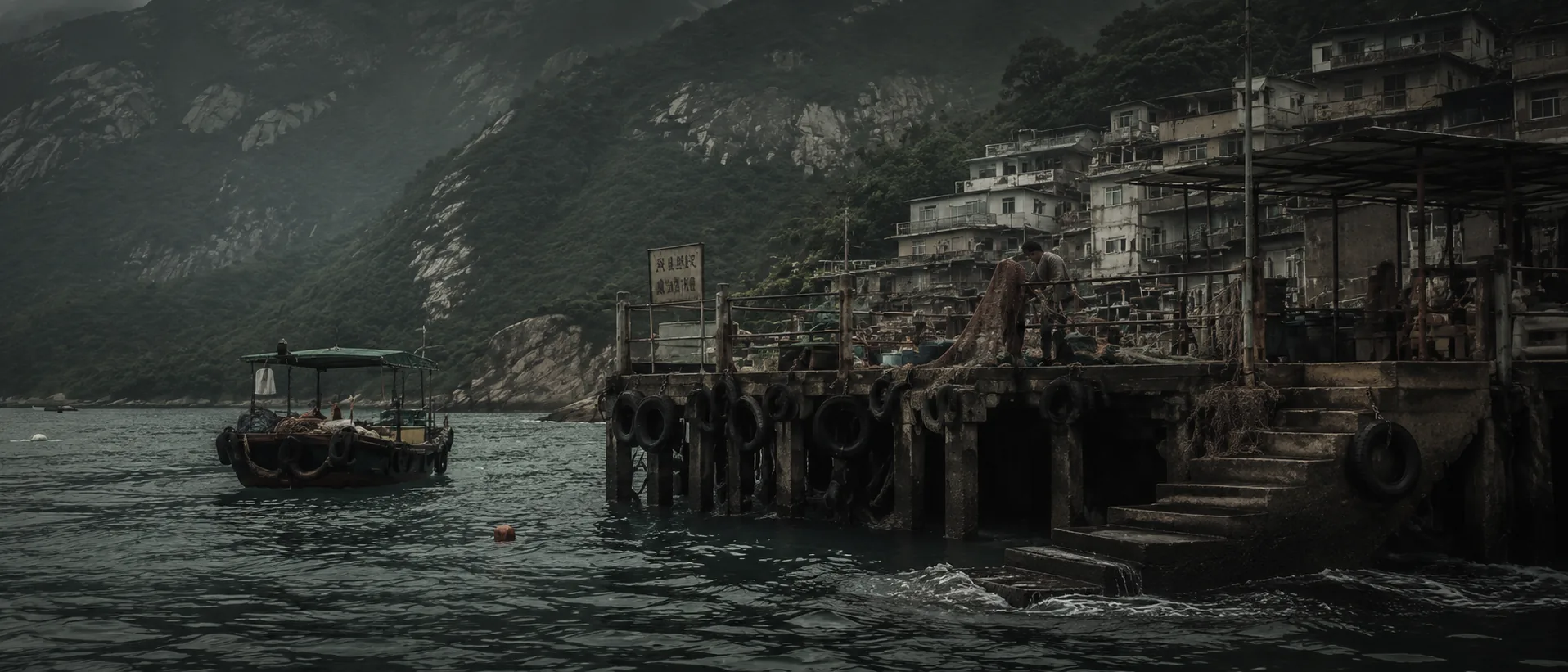
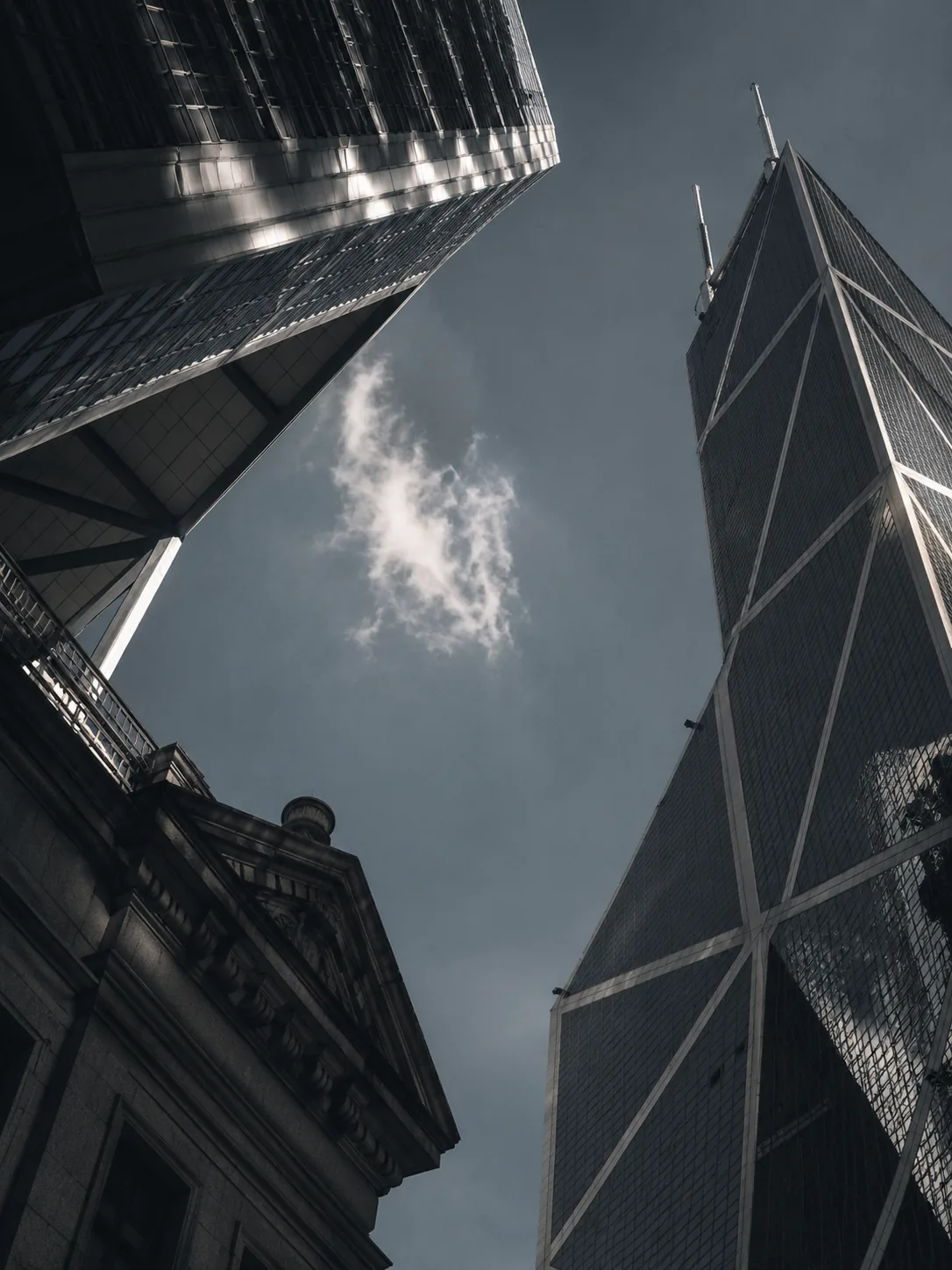
Towers, markets, beaches, monasteries, museums, racecourses and open water are not separate trips. They are different states of the same city.
Compression
Three ways through the city
Before the skyline, the street.
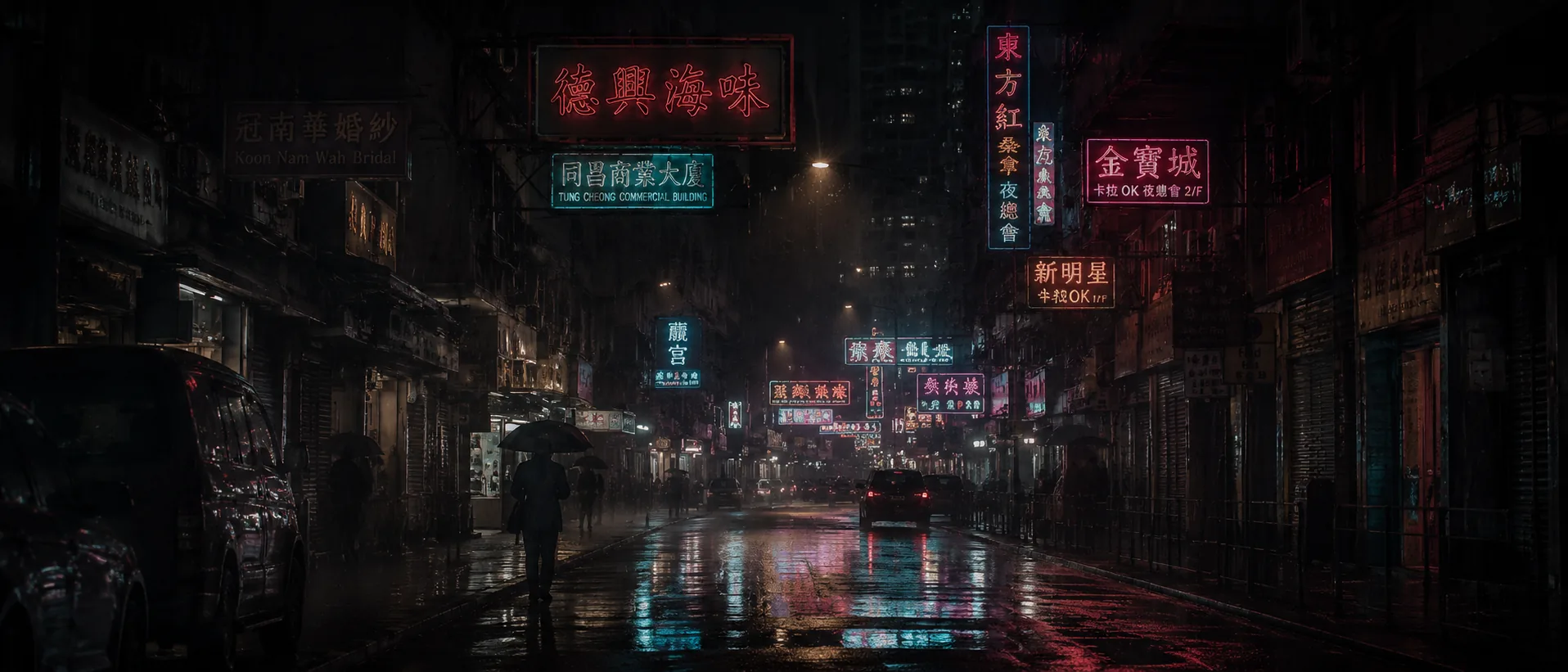
Before Hong Kong becomes skyline or spectacle, it is queues, tram wires, signs, slopes and people moving with purpose.
Wan Chai → Causeway Bay
Ride east
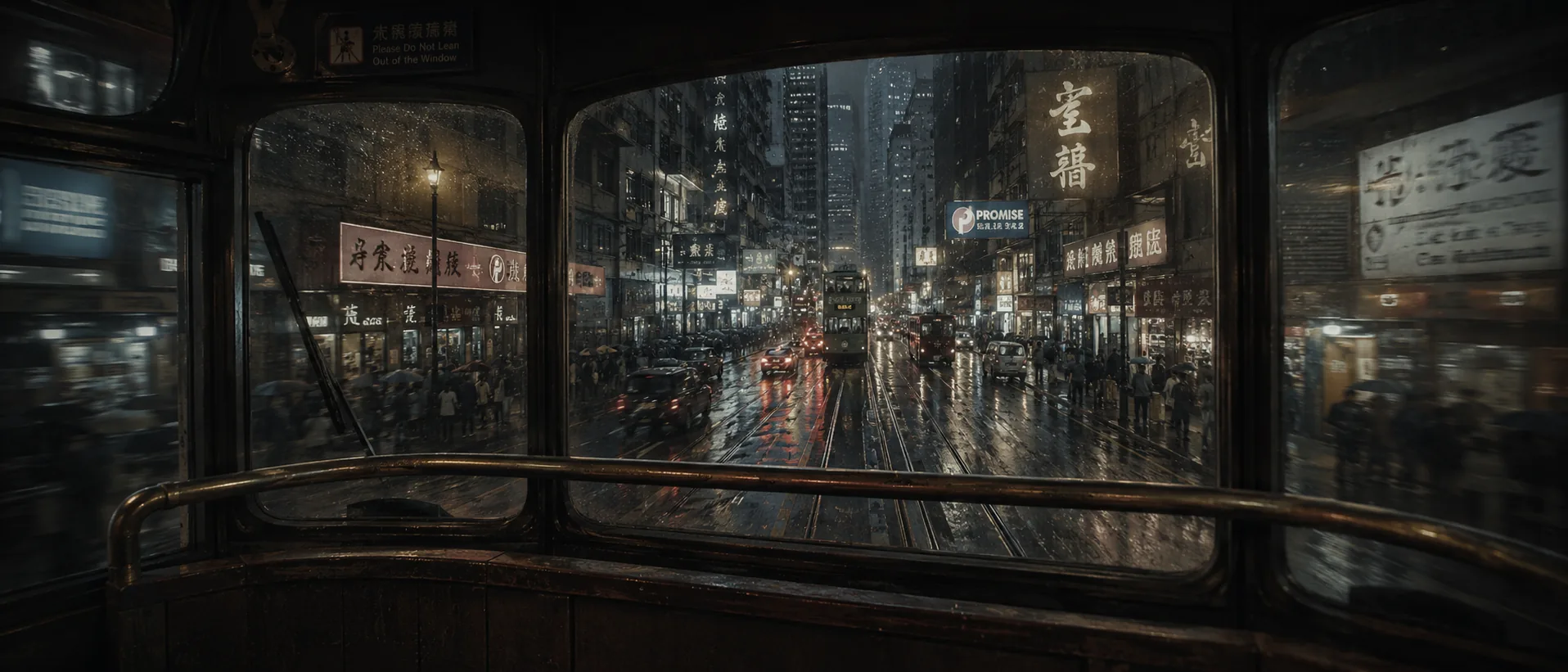
Eat seriously. The point of moving through Hong Kong is not to arrive. Everything else in the city is engineered to compress a journey; the tram is the one machine that lengthens it deliberately.
West Kowloon → Tsim Sha Tsui → Mong Kok → Yau Ma Tei → Jordan
Cross Kowloon
There is a version of the city with the volume all the way up, and it is worth finding on purpose.
Central Market → Mid-Levels → Sheung Wan
The Central walk
In Central the streets run out of level ground and become staircases. Walk with the slope rather than against it.
Blue hour · Harbour cruise
aqualuna
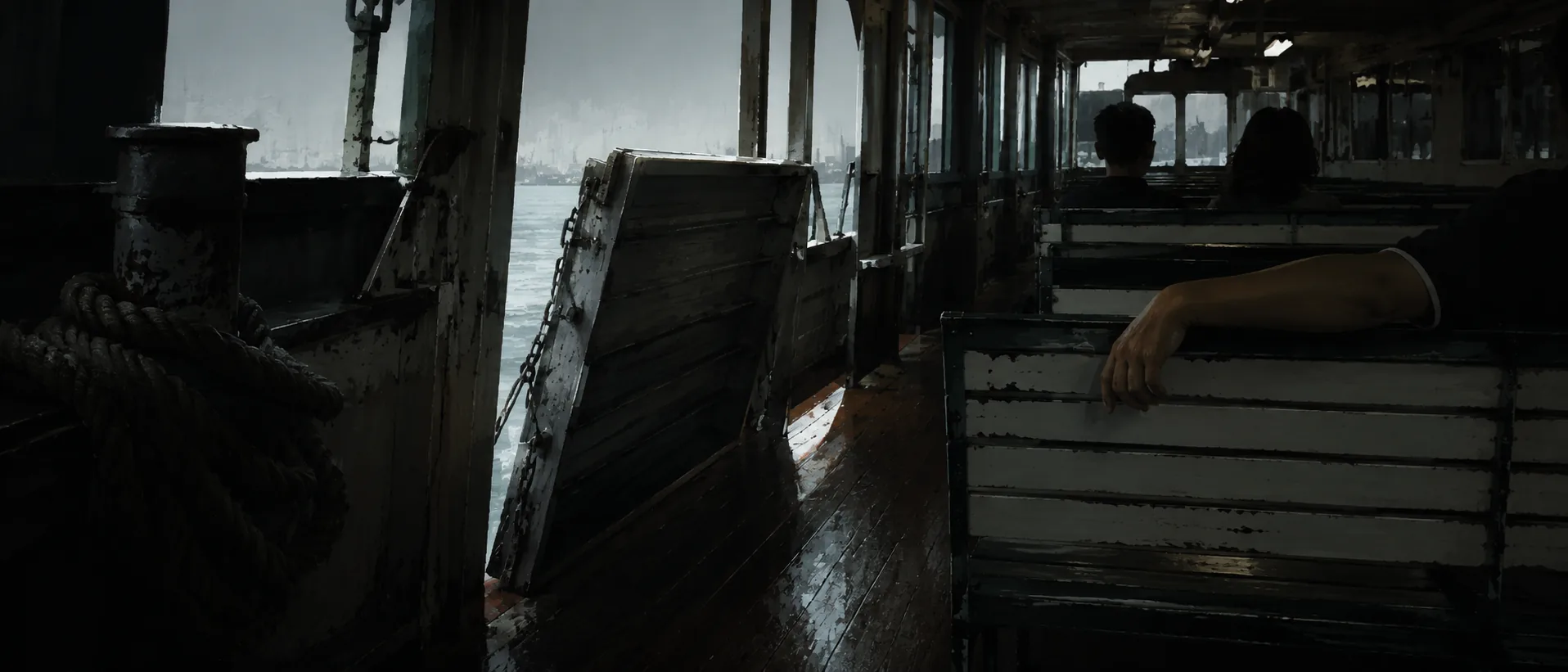
The Star Ferry crosses the harbour; aqualuna allows it to last. The red sails are theatrical and the experience makes no attempt to disguise itself as ordinary transport, but Hong Kong can survive one beautiful cliché. Take an evening sailing while the buildings are switching on, sit outside, and let the harbour remain the destination for a little longer.
Choose an early-evening harbour cruise, sit outside and have one drink.
Performance
Dinner, bars, clubs and the hour after
A restaurant is theatre.
A restaurant is theatre, and Hong Kong understands that the performance begins before the food arrives. The lighting, music, uniforms, language and door all establish the room. What the city does particularly well is refuse to end the performance on cue.
20:00
Dinner
Choose the room.
These are not rankings. They are different answers to one question: what kind of night is this?
Motorino
No concept, no ambition beyond the pizza.
A blistered Neapolitan pizza in a room with no ambition beyond getting it right, which, in a district of expensive concepts, is a kind of luxury. The answer to an evening that is hungry before it has decided what it wants to be.
Order
The Brussels sprout and fior di latte, a margherita to anchor the table, and cold beer.
Chôm Chôm
The door stays open; the street comes in.
Narrow, hot and permanently full, doing Vietnamese street food at volume with the door open onto the street so the noise of the district becomes part of the meal. A room that has never once tried to be calm.
Order
The bò lá lốt, the clay-pot fish, a bowl of pho if the night has already gone long, and keep the beer coming.
Fukuro
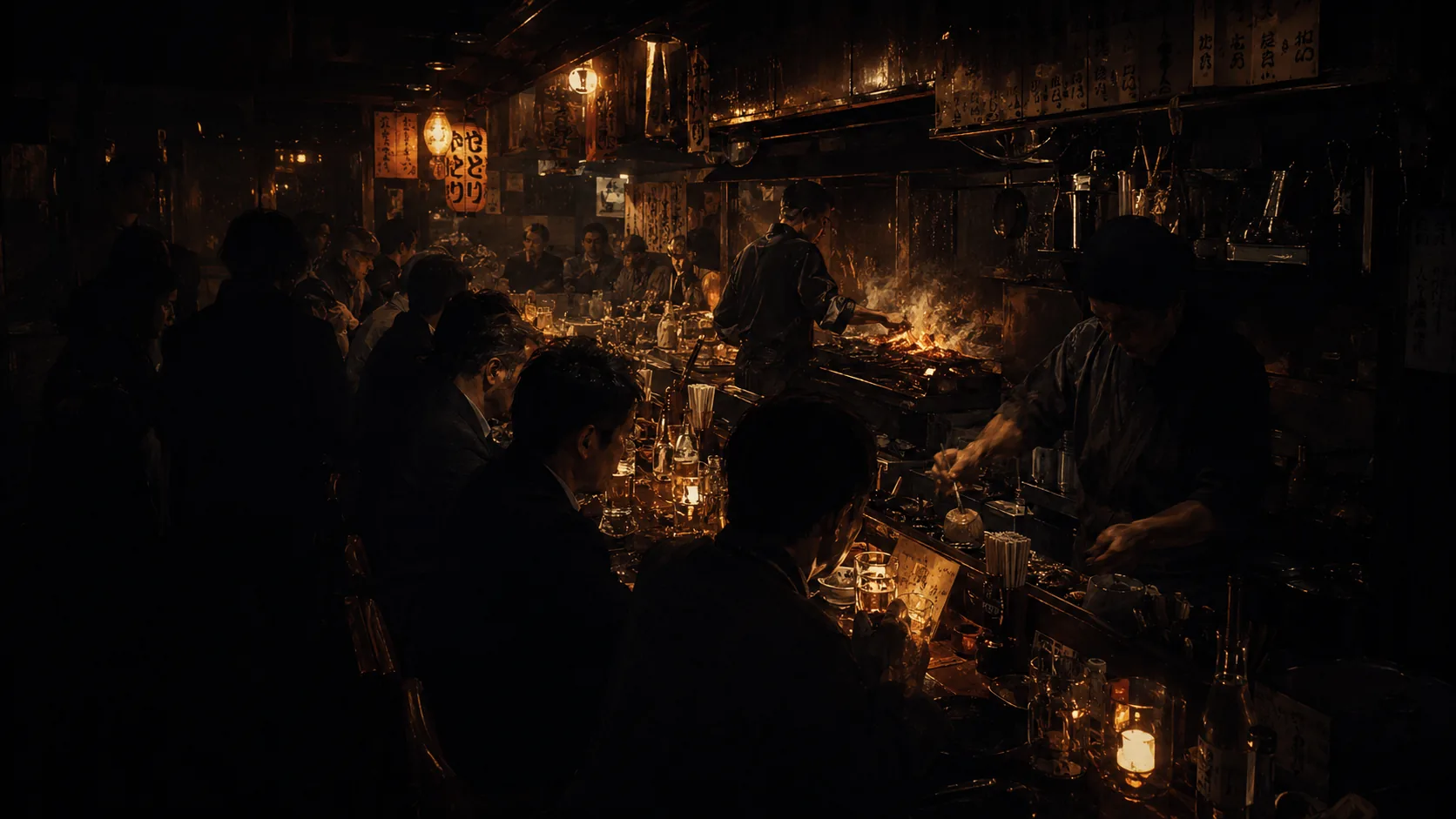
A high-energy SoHo izakaya.
Empty and composed before service, loud and faintly chaotic once it fills. A high-energy SoHo izakaya for skewers, sake and the kind of dinner that gradually abandons whatever was supposed to happen afterward.
Order
The caramel butter corn, sashimi, a run of skewers, whatever is on the specials board, and more sake than is sensible.
Yardbird
Where the evening stops being dinner.
Not here for being a famous yakitori. Here because, when the room is right, dinner becomes a night out without anyone deciding it should, the thing Hong Kong does better than almost anywhere.
Order
The chicken meatball with the egg yolk, chicken oysters, skin, wings, whatever less obvious cuts are going, the KFC cauliflower, sake.
Grand Majestic Sichuan
Theatrical room, undiminished kitchen.
Glamour that never softened the food. The room is theatrical; the cooking still lands like a punch. It is the case for why Hong Kong dining is exciting, drama and seriousness held in the same breath.
Order
Mapo tofu, dan dan noodles, something properly numbing, a whole fish for the table, and enough rice to survive it.
Jean-Pierre
A fantasy committed to without apology.
Hong Kong commits to a fantasy completely. Step off a dense Central street and the room is an unapologetic Parisian bistro. A place for indulgence, not restraint.
Order
Pâté or terrine, steak frites, too much bread and butter, red wine, and something classic to finish, profiteroles.
Carbone
A borrowed room, kept better than the original.
A New York dining room transplanted whole and, improbably, undiminished, red leather, tableside theatre, waiters in dinner jackets working the floor like a company that has played the run before. Evidence that this city will import a fantasy and then keep it in better condition than the original.
Order
The spicy rigatoni, the veal parmesan for the table, a Caesar built in front of you, and a martini before any of it arrives.
8½ Otto e Mezzo Bombana
Precision borrowed from another cuisine.
The most decorated Italian dining room in the city, and the argument that Cantonese-standard precision can be applied to another cuisine without flattening it. Restraint that only reads as expensive once the plates are on the table.
Order
Anything with white truffle when the season allows it, the pasta course regardless, and let the room choose the wine.
Hutong
A kitchen shouting over its own view.
A dark, lacquered room turned deliberately toward the harbour, where the view is doing half the work and the kitchen knows it, so the cooking arrives louder than the setting, in chilli, cumin and smoke.
Order
The soft-shell crab in Sichuan pepper, the lamb ribs, and book a window table well ahead.
22:30
Bars / Peel Street and beyond
Let the street in.
Begin with bars that behave like neighbourhood rooms. Peel Street and the lanes around Hollywood Road keep the night close to the pavement: serious cocktails, open doors, people moving between addresses without turning the evening into an itinerary.
Penicillin
Local fermentation turned into precise cocktails.
A bar built around Hong Kong ingredients, in-house fermentation and the useful idea that sustainability should change the drink rather than merely decorate the menu. The room is controlled; the experiments are not.
Order
Ask for one drink built around a house ferment and let the bartender explain only as much as the night requires.
Bar Leone
World-class cocktails without world-class solemnity.
An Italian neighbourhood bar translated without ceremony: direct drinks, warm service, football and pop-cultural fragments, and none of the stiffness its reputation could have justified.
Order
Start with a house classic, add the mortadella sandwich if it is available, and accept that there may be a queue.
Montana
Cuban classics with the pulse turned up.
Cuban cocktail history pushed through the colour and rhythm of 1970s Miami. It is polished, but the point is movement: cold drinks, quick hospitality and a room designed to loosen as the night advances.
Order
Begin with a daiquiri or El Presidente before the room reaches full volume.
Honky Tonks Tavern
Hot chicken and cocktails without the whispering.
Cocktails with none of the hushed-room behaviour: hot chicken, freestyle pizza, music and the kind of crowd that makes one drink become the beginning of the night.
Order
Get the hot chicken, a slice for the table and something cold enough to reset the palate.
Lockdown
A hidden room with disciplined drinks.
A hidden-room cocktail bar built from the visual language of prohibition and Hong Kong's more recent memories of closure. The theatrical entrance works because the drinks remain more disciplined than the premise.
Order
Pair it with Penicillin across Hollywood Road, but choose the order by whichever door opens first.
Ned Kelly's Last Stand
A Tsim Sha Tsui institution with jazz at close range.
Old-school showmanship in a room that has resisted being polished into something else. The house band plays jazz and blues at close range, the crowd settles in with pints, and a night in Tsim Sha Tsui acquires an ending it could never have planned.
Go
For the band, take a table close enough to watch them work, and stay for one set longer than intended.
00:30
Clubs / LKF and its counterpoint
Turn the room over.
LKF is not one street or one kind of room. The district stacks terraces, basements, rooftops and clubs into a few steep blocks, so the useful decision is not whether to go, but which version of the night to enter.
Dragon-i
Hong Kong club theatre with institutional memory.
A long-running Hong Kong room that has survived by treating clubbing as choreography: the reveal at the door, the booths, the DJ and the crowd all playing their assigned part.
Go
Check the night and guest list first; this is a room whose character depends on the programme and the hour.
Shuffle
A compact LKF dance floor built on recognition.
A compact, direct dance floor for nights that need familiar hooks, hip-hop and pop rather than a lesson in underground credibility.
Go
Late, after the bars have done their work, and choose it when the group wants recognition rather than discovery.
Boomerang
LKF at festival scale.
The maximal LKF answer: touring DJs, screens, production and a dance floor designed for the night to feel larger than the room that contains it.
Go
Choose it for a specific DJ or event rather than arriving blind; the programme is the recommendation.
The Iron Fairies
A fantasy set that earns its nightlife.
A subterranean fantasy of furnaces, iron figurines and thousands of butterflies, theatrical enough to risk absurdity and committed enough to carry it. Live bands and DJs make the room more than its set design.
Go
When live music is scheduled and let the room be exactly as excessive as it intends.
Mihn
Hong Kong's intimate room for serious electronic music.
A small, no-photo room built around careful electronic programming, a tuned sound system and a safe-space ethos. It is the necessary counter-argument to LKF spectacle: less theatre at the door, more attention on the floor.
Go
Check the programme, buy a ticket for the artist rather than the address, and keep the phone away once inside.
02:30
Late-night food
Find the fluorescent door.
After hours. What happens once dinner has stopped pretending to be dinner. After the music, hunger becomes practical. LKF's late-night food is hidden in plain sight, at street counters, behind bright doors and on upper floors reached by the correct lift.
Sonny's Pizza
The slice between the club and home.
A proper slice shop for the moment when the evening no longer needs a table. Crisp bases, direct toppings and enough structure to make walking home feel reasonable again.
Order
Take one classic slice first; decide on the second only after the first has disappeared.
Beyrouth Bistro
A late-night kebab with a longer memory than LKF.
A family-run Lebanese room that understands the post-bar appetite: grilled meat, hummus and the restorative force of food with salt, acid and heat.
Order
Get the lamb kebab, hummus and enough bread to turn the final drink into a completed evening.
Momo Kingz
Ninth-floor momos after the street has blurred.
The upper-floor LKF move: leave the street, find the correct lift and emerge at a simple room built around hot momos. The search is part of why the food lands so well.
Order
Get a mixed plate of steamed and fried momos with chilli sauce, then stop negotiating with the night.
Ichiran
Ten minutes with the city switched off.
Japanese, a chain, and it does not matter. It earns its place through ritual: after a long night of walking and drinking, you fold into the solo booth and stop interacting with the city for ten minutes.
Order
Firm noodles, rich broth, extra garlic, green onion, the red spice, then a second serving of noodles.
Haidilao
Service as theatre, at volume and late.
A chain that turned service into spectacle, noodles pulled at the table, an attentiveness that tips into the absurd, and is unembarrassed about all of it. It holds its place because it is the most fun a large group can have with a late booking and no plan.
Order
The half-and-half broth, ask for the hand-pulled noodle service, and take more sliced beef than the table agreed to.
11:30
Hangover food
Repair, then begin again.
The morning after does not ask for novelty. It asks for salt, fat, coffee and something uncomplicated enough to restore the day.
Burger Circus
Uncomplicated, and deliberately so.
Nothing clever, a cheeseburger executed perfectly. It holds its place because the city runs on moments that call for something uncomplicated and familiar, ideally slightly hungover. Part of the Black Sheep world that anchors much of this file.
Order
The cheeseburger, fries, a shake.
Interlude / A race night
Restaurants stage the room. Happy Valley stages an entire district.
The same instinct for performance, scaled up from a dining room to a racecourse.
Happy Valley
Happy Valley is a working racecourse dropped into the middle of residential Hong Kong: horses running under floodlights, apartment towers rising immediately behind the track, drinks outside, odds changing continuously and thousands of people treating the entire arrangement as an ordinary weekday evening. The scale is easy to miss while standing beside the track. Hong Kong racing handled HK$138.9 billion in wagering turnover during the 2024/25 racing season, the total for Hong Kong racing, not Happy Valley alone, but it explains the machinery visible around every race: pools, screens, transactions and money moving continuously through the night. The experience works with or without any real interest in horses. The setting is the reason to go.
Go on a race night, stand outside with a drink rather than committing to a formal seat, and place a small bet or none at all.
Other Sides
Five territories · one city
How many versions of Hong Kong fit inside one city?
The towers are only one version of the city. Hong Kong also behaves like a beach town, an amusement park built across a mountain, a working island, an open coastline and a place of pilgrimage.
Coast
The Southside
The compressed city gives way three different ways: an easy shore, a self-contained waterfront town and a beach village that asks for the day.
A little
Repulse Bay
The easiest change of scene: a broad beach, calm water and enough infrastructure that the city never disappears completely. The point is not remoteness. It is the disbelief that this and Central can belong to the same island.
Go
For the change of scene rather than for escape; swim, then look back at the towers and fail to reconcile them.
CoCoNuts Thai Bar & Grill
The sunset stop after a Southside beach afternoon.
The beachside room turns a Southside afternoon into dinner: Thai comfort food, smoke from the grill, cold drinks and the water holding the last light.
Order
The whole grilled or salt-baked seabass, smoked-ocean-trout spring rolls and something cold while the light changes.
Into a town
Stanley
Stanley should not be reduced to its market. Walk through the stalls, continue into the smaller streets and along the waterfront, stop for a drink and allow the afternoon to have no single centre. Hong Kong loosens here without becoming remote.
Go
Treat the market as the beginning of the walk, not the destination.
Into a beach day
Shek O
A village, a proper beach and enough distance from Central for the day to change character completely. Low buildings and open sea replace the compressed city without requiring a ferry or a flight.
Go
Come for the whole day rather than the afternoon; let low buildings and open sea do the work.
Degree of release
Cococabana
The long lunch that anchors a Shek O day.
The recommendation is the whole arrangement: beach first, a long lunch facing the water, Mediterranean food, cold wine and no urgency to return.
Order
Seafood, something from the grill and wine cold enough for the weather.
Spectacle
The constructed world
Not every other side is natural. Hong Kong can manufacture an escape as confidently as it supplies one.
A contained world
Ocean Park
Not every escape is natural. Ocean Park replaces the city with a machine of its own, waterfront below, rides and enclosures above, and the South China Sea repeatedly breaking through the design. The cable car across the mountain is not just transport; it is the moment the park reveals the landscape it has been built into.
Visit
Give it a full day and let the Waterfront-to-Summit crossing organise the visit rather than trying to complete every attraction.
Ferry
Choose an island
The next version begins when the road no longer reaches you. These are alternative ferry days, not stops on one itinerary.
Outlying Islands · Ferry day
Lamma Island
On Lamma, the journey changes the meal. The ferry gives way to Yung Shue Wan, village paths and a walk that removes the road network from the day before Terracotta supplies the long lunch at its centre.
Choose this side
Choose Lamma when the walk should be the day: ferry, village, lunch and a return governed by the pier rather than a taxi.
Degree of release
Terracotta Lamma
A ferry, a walk, and a room at the end of it.
A room at the end of a deliberate journey, with Mediterranean cooking, a charcoal grill and no pressure to turn the table quickly. The ferry and village walk change the meaning of the meal before it begins.
Order
Across the Mediterranean menu and charcoal grill, then take the long lunch rather than the early ferry back.
Outlying Islands · Ferry day
Cheung Chau
Cheung Chau does not remove density; it miniaturises it. The ferry opens directly onto a working waterfront, then lanes, temples, food and beaches fold into one walkable town. The release comes from self-sufficiency and scale rather than silence.
Choose this side
Choose Cheung Chau when the island itself should be the town: follow the harbour into the lanes, then continue to a beach or headland before returning to the pier.
Threshold
The open coast
Here the town is not the destination. It is the threshold to boats, trails, country park and a coastline that requires a choice.
Into open coast
Sai Kung
Sai Kung is the version that asks for a full day. The town faces outward toward boats, islands, country park and beaches reached by water or trail. Use the town as the threshold rather than the final destination.
Go
Leave early, choose one stretch of coast, and accept that getting there is part of the recommendation.
Ascent
Mountain and ritual
The final change happens vertically: infrastructure gives way to water, forest, mountain and ritual.
Into mountain and ritual
The Big Buddha
The cable car leaves the infrastructure of the city and moves over water, forest and mountain. At Ngong Ping, the Tian Tan Buddha, Po Lin Monastery, incense, pilgrims, visitors and mountain air reveal another Hong Kong entirely. The journey matters as much as the monument. This time the city disappears vertically rather than across the water.
Do
Take the cable car, climb to the statue, visit the monastery, and give the experience enough time that it does not become a race back to town.
Framed
Locations · movement · cinematic inheritance
Hong Kong on screen.
Hong Kong does not only supply images. It repeatedly changes how the rest of the world imagines cities.
00:00:00 / Projector on
Hong Kong on screen
The film material for the whole file lives here, every crossing, escalator and tower the movies have borrowed.
Act 01 / Borrowed movement
The city supplies the camera move.
The camera does not need to invent movement here. Ferries, hotel arrivals, escalators and civic buildings already carry the scene.
Frame 01
The oldest crossing
The Star Ferry traces its service to 1888 and keeps returning on screen because the crossing supplies its own camera move. William Holden meets Suzie Wong mid-harbour, a scene that fixed this view of the city in the Western imagination for a generation.
Frame 02
The green Rolls-Royces
A block from where the ferry lands, The Peninsula's signature green Rolls-Royces turn arrival into theatre. In The Man with the Golden Gun, that fleet is how Bond follows his mark to the hotel door: the city supplying production design simply by behaving like itself.
Cinema registerFrame 03
The escalator, twice
Chungking Express turns the Mid-Levels Escalator into an intimate moving frame. The Dark Knight later returned to the same infrastructure for a scene about surveillance. One machine, two entirely different arguments about being watched.
Frame 04
Passed without ceremony
Tai Kwun, the former Central Police Station, is a film location the neighbourhood now moves through without ceremony, absorbed into the ordinary traffic of the district rather than fenced off as a set.
Act 02 / Vertical future
The city becomes the future.
Height becomes action, then density becomes a visual language exported far beyond the harbour.
Frame 05
Twice off the same tower
The Dark Knight turns IFC Two into vertical action as Batman removes the mob's accountant from the tower. Tomb Raider: The Cradle of Life had already used the same architecture as a launch point. On screen, the office becomes a diving board.
Frame 06
The Kai Tak approach
Until 1998, aircraft approached Kai Tak by banking hard over Kowloon toward an orange-and-white checkerboard painted on a hillside. Rooftops and apartment windows filled the final seconds before touchdown. No shot invented for a film ever improved on it.
Frame 07
Blade Runner is Hong Kong
Blade Runner's rain, neon, crowds and vertical signage draw from the visual language of Hong Kong and other Asian cities. Hong Kong was repeatedly cast as the future while it was busy being the present.
Frame 08
The Monster Building
The interlocking residential blocks at Quarry Bay compress the sky into a rectangle and appear in Transformers: Age of Extinction and Ghost in the Shell. The complex was never designed as a spectacle, which is exactly why it photographs like a set.
Return
Don't over-organize it.
One instruction above all. A booked, sequenced, defended itinerary will deliver a competent week and miss the city entirely, because the thing worth having here only happens in the joins, the detour, the extra drink, the tram taken past its stop. Leave the plan loose enough to be abandoned by four in the afternoon. The point is not to complete every version of Hong Kong. It is to leave enough space for one version to collapse into the next. Whatever replaces it will be better, and it will be somewhere else.